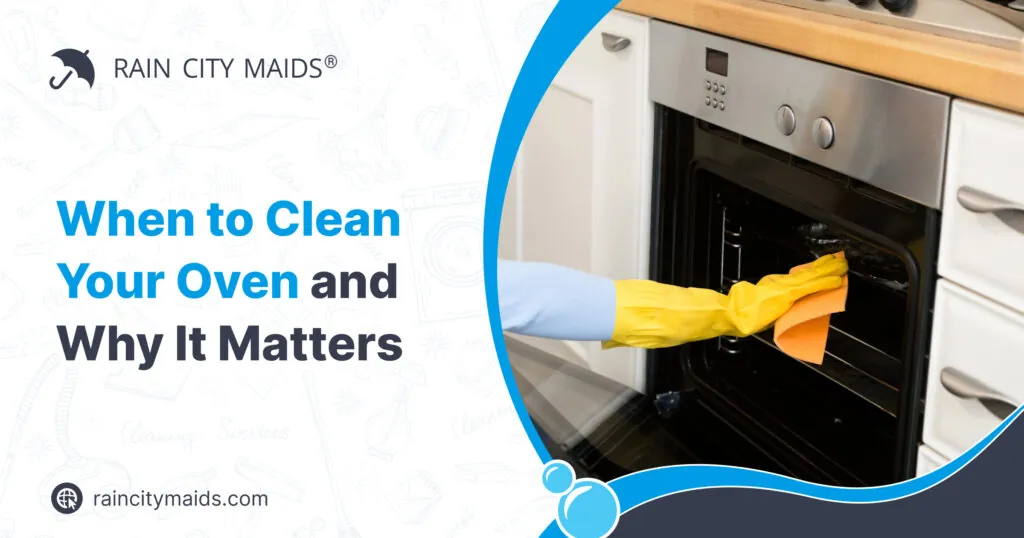
Your oven is one of the hardest working appliances in your kitchen. It handles everything from quick weekday dinners to big family meals during the holidays. But over time, grease, crumbs, and spills can build up inside. If you’ve ever opened your oven door and caught a whiff of something unpleasant, or noticed smoke while baking, that’s a clear sign it’s time for a good cleaning.
Cleaning your oven regularly not only keeps your kitchen smelling fresh but also helps your oven run more efficiently and last longer. The big question is: how often should you clean it? The answer depends on how often you use it, what you cook, and how you maintain it between deep cleans. Here’s a clear guide to help you decide the right cleaning frequency.
How Often to Clean Your Oven
For most households, giving the oven a thorough clean every three to six months is a good starting point. If you cook or bake frequently, every one to two months might be better. On the other hand, if your oven doesn’t get much use, a deep clean twice a year is often enough.
Here’s a simple rule of thumb:
- Heavy use (4+ times per week): Clean every 1–2 months
- Moderate use (1–3 times per week): Clean every 3–4 months
- Light use (less than once a week): Clean every 6 months
If you notice burning smells, smoke, or visible buildup, don’t wait for your next scheduled clean. Tackle it as soon as possible to prevent stubborn stains and odors.
Signs Your Oven Needs Cleaning Now
Even with a set schedule, your oven might need a little extra attention in between. These are common signs it’s time to clean it:
- Persistent odors: If your oven smells like burnt food even when it’s off, grease and residue have likely built up inside.
- Visible grease or grime: A quick glance at the door or bottom of the oven can tell you if it’s due for a scrub.
- Smoke while cooking: Excess food debris can cause smoke when you turn on the oven.
- Uneven cooking: A dirty oven can affect air circulation and heat distribution, leading to uneven results.
Addressing these signs right away makes cleaning easier and helps maintain your appliance in better shape.
How to Keep Your Oven Clean Between Deep Cleans
Doing a quick wipe-down after each use can significantly extend the time between major cleanings. Here are a few simple habits that make a difference:
Wipe Spills While They’re Fresh
As soon as your oven cools, wipe any spills or splatters with a damp cloth. Fresh spills are much easier to remove than burned-on grease.
Use Oven Liners or Baking Sheets
Placing a baking sheet on a lower rack can catch drips from casseroles, pies, or roasts. Just make sure it doesn’t block airflow.
Cover Your Dishes
Covering dishes with lids or foil when appropriate can prevent splatters and reduce cleanup time.
Don’t Ignore Small Messes
Even a few crumbs can turn into burnt residue that’s much harder to clean later. A quick brush-out makes a big difference.
How to Clean Your Oven: A Simple Step-by-Step Guide
When it’s time for a proper clean, following a clear process can make the job easier and more effective.
1. Remove Racks and Accessories
Take everything out of the oven before you start. Oven racks can be soaked in warm, soapy water to loosen grease.
2. Apply a Safe Cleaner
Use either a store-bought oven cleaner or a homemade solution of baking soda and water. Spread it evenly inside the oven, avoiding heating elements.
3. Let It Sit
Let the cleaner sit for at least 20–30 minutes. For stubborn grime, a few hours or overnight can help soften tough buildup.
4. Wipe and Rinse
Use a damp cloth or sponge to remove the cleaner along with grease and grime. Repeat if necessary until the interior looks clean.
5. Clean the Door
Don’t forget the inside of the door. Glass cleaner or a baking soda paste can help remove streaks and grease.
6. Replace Racks and Accessories
Once everything is dry and clean, put the racks back in and enjoy a fresh, odor-free oven.
How Often to Clean Self-Cleaning Ovens
If you have a self-cleaning oven, the recommended frequency is similar to a manual clean. Most manufacturers suggest using the self-cleaning function every 3 to 6 months, depending on how often you use your oven.
Keep in mind that this cycle reaches very high temperatures, so it’s best to wipe away excess spills before starting the self-cleaning process. This prevents too much smoke and helps the cycle work more effectively. Always follow the manufacturer’s instructions.
Why Regular Oven Cleaning Matters
Keeping your oven clean isn’t just about appearances. There are several practical reasons why regular cleaning is important:
- Better performance: A clean oven heats evenly and cooks more efficiently.
- Fewer odors and smoke: Grease buildup can create unpleasant smells and smoke while cooking.
- Longer lifespan: Regular maintenance helps your appliance last longer and prevents damage.
- Safer cooking: Built-up grease can be a fire hazard if left unchecked.
With the right habits, you can avoid tough scrubbing sessions and keep your kitchen feeling fresh.
Recommended Cleaning Frequency Recap
To make it simple:
- Deep clean every 1 to 6 months, depending on use.
- Do light wipe-downs after each cooking session.
- Pay attention to smells, smoke, and visible grime for signs you need to clean sooner.
This combination of regular maintenance and scheduled deep cleans will help your oven work efficiently for years.
Let Us Help You Keep Your Space Sparkling
If the thought of deep cleaning your oven feels overwhelming, we can help you. We know how time-consuming and tiring kitchen deep cleaning can be, and our team is fully equipped with professional cleaning products and tools to get it done right. We also care about being environmentally responsible, so we use safe and effective cleaning solutions whenever possible.
Contact us today to schedule a cleaning service that leaves your oven—and the rest of your kitchen—fresh, clean, and ready to use.